
The Lululemon Lesson | How Athleisure King's Stumble Reveals the Fragile Nature of Fashion Dominance
Lululemon's 2025 struggles illustrate how quickly premium fashion brands can fall from grace when multiple challenges converge. The athleisure giant faces declining sales as fashion trends shift toward baggy styles, core customers reject new product lines, and economic pressures make luxury athletic wear less appealing. Combined with supply chain vulnerabilities, increased competition, and the commoditization of technical athletic wear, Lululemon's premium positioning is under serious threat. The company's experience offers critical lessons about maintaining cultural relevance, authentic growth strategies, and the fragility of fashion dominance in an increasingly volatile retail landscape.
#Lululemon, #Athleisure, #PremiumBrands, #FashionTrends, #RetailStrategy, #BrandStrategy, #AthleticWear, #Activewear, #FashionBusiness, #RetailAnalysis, #BrandManagement, #ConsumerTrends, #LuxuryRetail, #Sportswear, #BusinessStrategy, #MarketingStrategy, #FashionIndustry, #RetailTrends, #BrandPositioning, #ConsumerBehavior
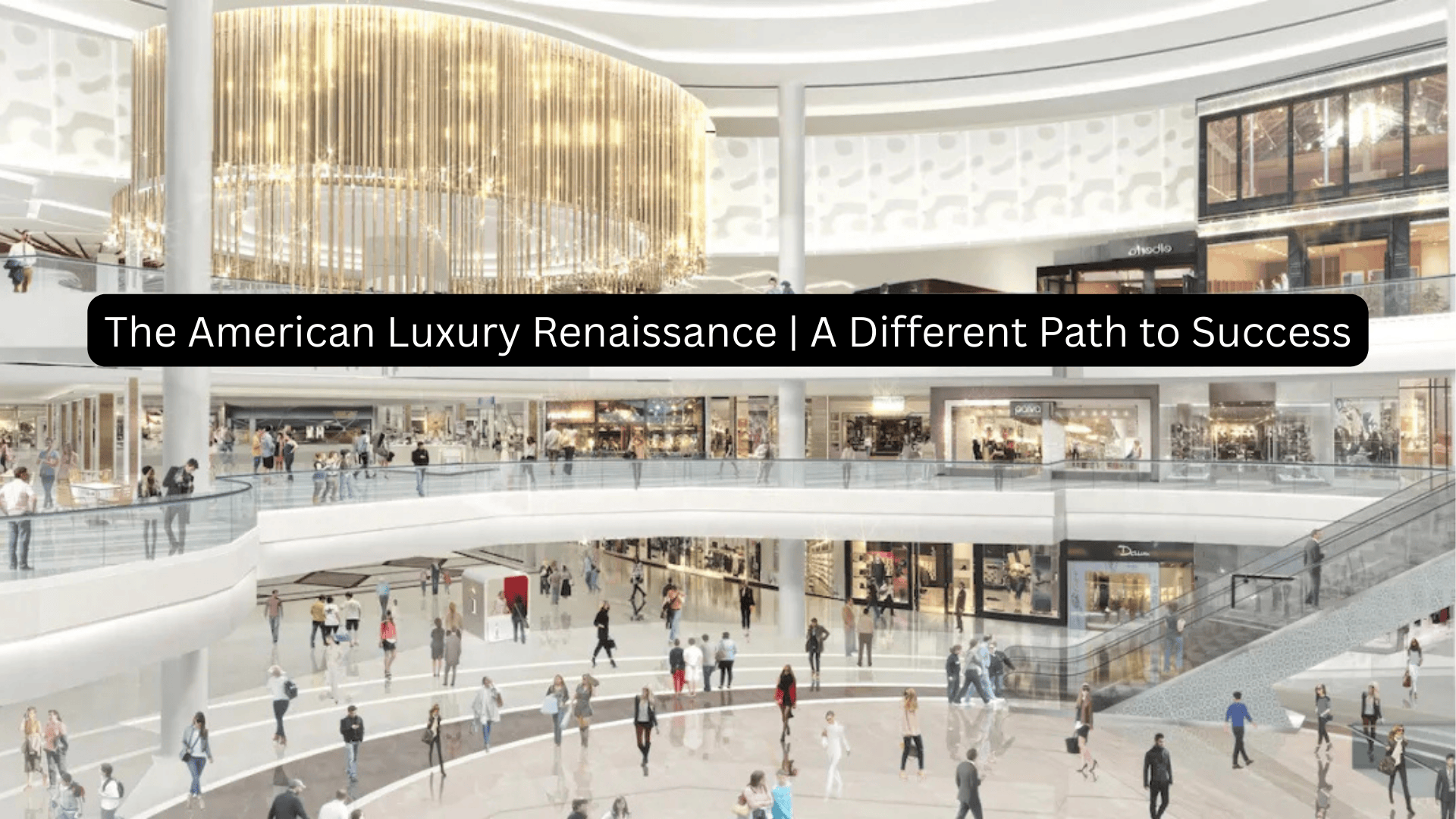
The American Luxury Renaissance | A Different Path to Success
American luxury brands are surging while European counterparts struggle, revealing a new competitive dynamic in the luxury landscape. Tapestry (Coach) and Ralph Lauren have delivered exceptional stock returns (+55% and +29% respectively in 2025) and strong sales growth (+13% and +11%), while European brands averaged -3% decline.
This divergence highlights a three-tier luxury hierarchy: ultra-luxury focused brands (Hermès, Brunello Cucinelli) succeeding at the top, accessible luxury done right (American brands) winning in the middle market, and confused European brands struggling between strategies. American brands succeeded by maintaining disciplined pricing ($200-$500 sweet spot vs. European brands going 10x higher), targeting young consumers abandoned by price-aggressive Europeans, and investing heavily in brand building (up to 10% of sales on advertising). They're capturing customers who were "priced out" of European luxury, with significant growth in China (+30% for Ralph Lauren, +22% for Coach) as consumers "trade down" to affordable luxury.
European brands face a strategic dilemma: double down on ultra-luxury exclusivity or compete for accessible luxury they inadvertently abandoned. The success demonstrates that strategic clarity and consistent execution matter more than geographic origin - whether choosing ultra-luxury or accessible luxury, confusion in the middle satisfies no one.
#AmericanLuxury, #LuxuryBrands, #Coach, #RalphLauren, #Tapestry, #LuxuryStrategy, #AccessibleLuxury, #EuropeanLuxury, #LuxuryMarket,
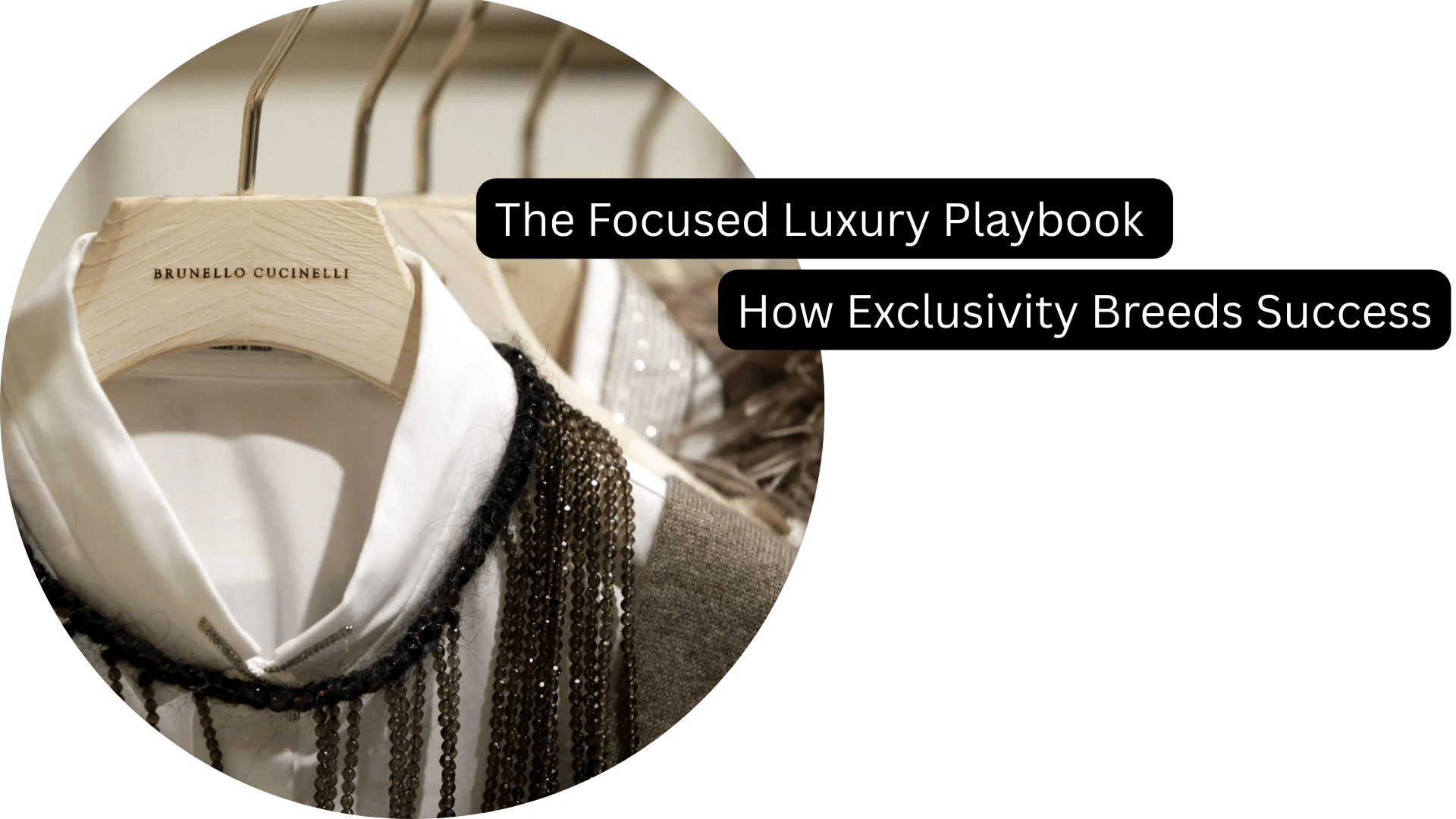
The Focused Luxury Playbook - How Exclusivity Breeds Success
In our recent exploration of the luxury industry's strategic crossroads, we examined how two contrasting approaches—LVMH's diversified conglomerate model versus Hermès' focused ultra-luxury strategy—are producing dramatically different market results. We discussed how the industry faces a fundamental choice between democratization and exclusivity, with the market increasingly rewarding focused approaches over diversified expansion. Now, fresh earnings results from Brunello Cucinelli provide compelling real-time validation of this focused luxury thesis in action.
The luxury industry's strategic realignment continues, and focused players like Cucinelli are writing the playbook for sustainable luxury success in an increasingly complex global market.
#luxury, #brunellocucinelli, #hermes , #luxuryindustry, #luxurytrends, #luxurybusiness

The Paradox of Pricing: How Luxury Brands’ Price Increases Are Impacting Their Market
Luxury brands are known for their high markups, often charging eight to 12 times the cost of production, which has traditionally enabled them to achieve operating margins well over 30%. These brands operate in the realm of Veblen goods, where higher prices can actually enhance their desirability, signaling rarity and exclusivity. However, the luxury market is currently experiencing significant challenges. Despite a 60% increase in prices since 2019, the sector faces a downturn, partly due to reduced spending by Chinese consumers amid economic instability. This shift is significant as the Chinese market has been a pivotal growth driver for luxury goods, often attracting higher domestic prices. Moreover, the strategy of democratizing luxury access—introducing more affordable product categories—has expanded the consumer base but also made luxury brands more dependent on middle-class buyers. Recent price hikes are testing the loyalty of these consumers, threatening to erode the expanded customer base. As brands confront these issues, they must rethink their pricing strategies to balance the allure of exclusivity with the necessity of remaining accessible to a broader audience.
#LuxuryBrands, #PricingStrategy, #ConsumerBehavior, #LuxuryMarket, #EconomicImpact, #FashionIndustryInsights, #RetailEconomics, #BrandManagement, #MarketDynamics, #LuxuryTrends

The New Era of Understated Luxury Logos
The latest trend in high fashion sees a move away from conspicuous logos towards more subtle and understated designs. This shift caters to a discerning clientele that values minimalism and sophistication over ostentation. Luxury brands are now embedding logos in discreet ways such as debossing and tone-on-tone embroidery, positioning them in less obvious places like jacket hems or collar backs. This approach reflects a societal shift towards more timeless fashion choices and also aligns with the “stealth wealth” concept where luxury is expressed quietly, emphasizing quality and exclusivity.
#LuxuryFashion, #SubtleLuxury, #StealthWealth, #UnderstatedElegance, #FashionTrends, #SustainableFashion, #TimelessStyle, #BrandLoyalty, #MinimalistDesign, #QuietLuxury

Luxury Brands Shift to ‘Micro’ Luxury Goods Amid Economic Downturn
Luxury brands are adapting to current economic challenges by introducing smaller, more affordable luxury goods like “super mini” handbags and wallets on chains. Aimed at middle-income shoppers, this strategic pivot seeks to recapture a crucial consumer base alienated by significant price increases over recent years. With prices of luxury goods averaging 55% higher than in 2019, these accessible items may encourage increased store traffic and sales volumes, helping brands stabilize during a widespread spending slowdown.
#LuxuryBrands, #MicroHandbags, #AffordableLuxury, #ConsumerTrends, #EconomicDownturn, #FashionIndustry, #RetailStrategy

From Identity to Impact: Navigating the Complexities of Luxury Fashion Brand Management
This article delves into the essentials of fashion brand management, emphasizing the integration of foundational branding principles with luxury market nuances, guided by the insights of Jean-Noël Kapferer. It explores critical elements such as brand identity, positioning, and target market analysis, alongside Kapferer’s unique perspectives on luxury brand identity, the importance of exclusivity, and the strategic use of rarity. The post also addresses contemporary challenges like balancing accessibility with exclusivity and the imperative for sustainability in branding. By synthesizing these elements, the article offers a comprehensive framework for fashion brands striving to enhance their market presence and engage with the luxury consumer effectively.
#FashionBrandManagement, #LuxuryBranding, #BrandIdentity, #FashionMarketing, #LuxuryFashion, #Kapferer, #BrandStrategy, #FashionIndustry, #LuxuryMarket, #BrandPositioning, #SustainableFashion, #FashionInnovation

Harnessing the Power of Strategic Segmentation in the Luxury Market
In the luxury market, strategic customer segmentation is key, particularly in targeting Very Important Clients (VICs). These clients, though small in number, significantly influence market dynamics by driving a disproportionate amount of revenue. Luxury brands are increasingly focusing on offering high-quality, personalized experiences and impeccable service to cater to this demanding segment. Investments in flagship stores and prime real estate, along with enhanced service through skilled client advisors, are pivotal strategies to engage these high-value customers.
#LuxuryMarket, #CustomerSegmentation, #HighValueClients, #LuxuryBrands, #MarketStrategy, #LuxuryRetail, #ClientEngagement